
Putting your home on the market can be an emotional and complex process. It's a journey that requires careful planning, a bit of elbow grease, and a strategic mindset. Whether you're a first-time seller or a seasoned homeowner, a little preparation goes a long way in ensuring a quick sale and a great return.
Here's a breakdown of the key things you need to know when selling your home.
1. Get Your House Ready to Shine
First impressions are everything, and this is where you can make a huge impact without a major renovation. Think of your home as a product you're trying to sell. The goal is to make it as appealing as possible to the widest audience.
-
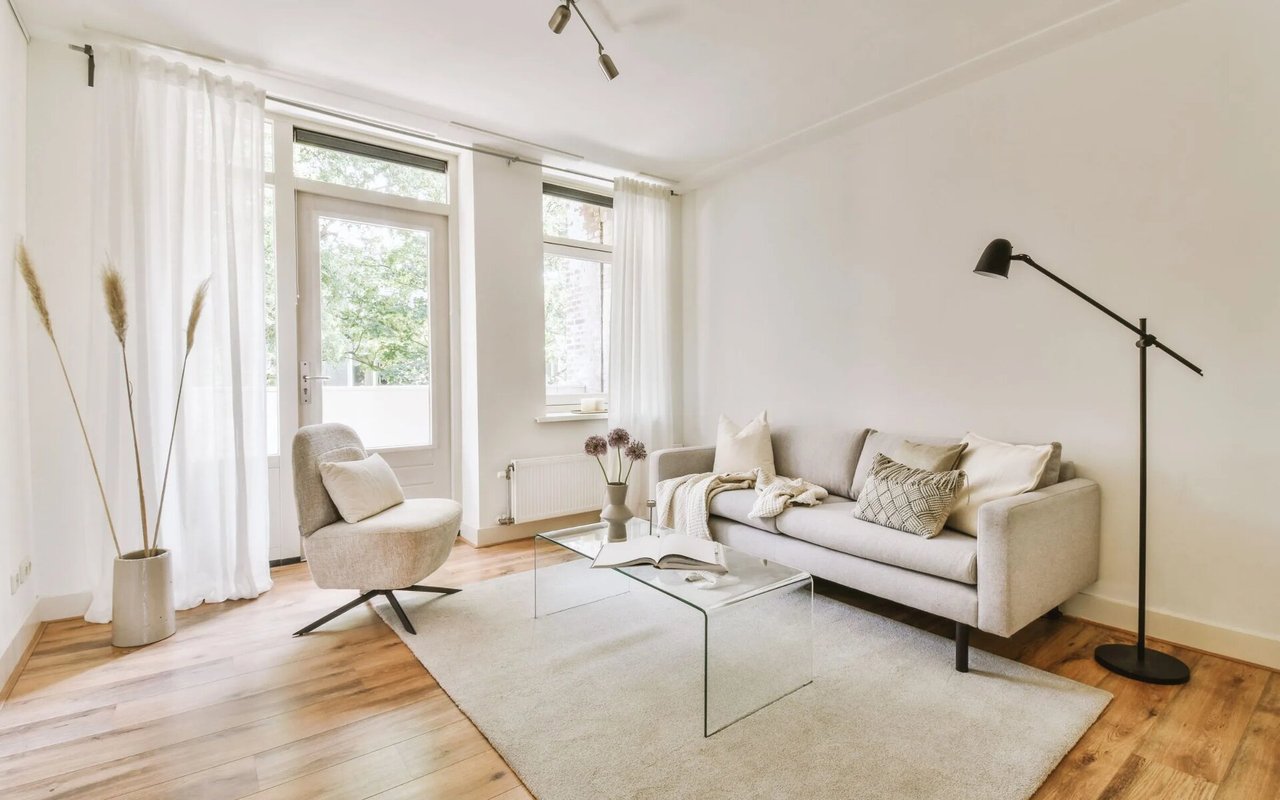
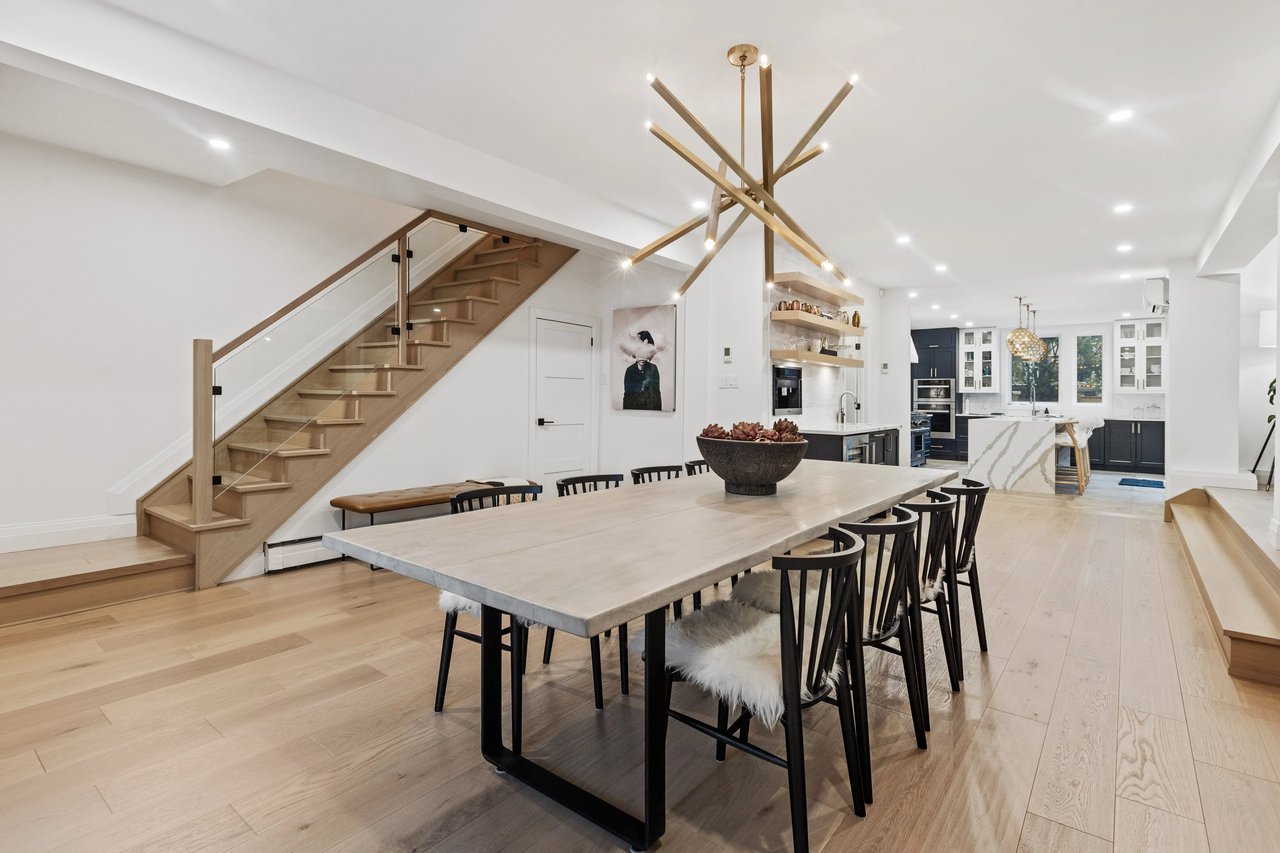
Declutter and Depersonalize: This is the golden rule of staging. Pack up knick-knacks, family photos, and excess furniture. Clutter makes a room look smaller and distracts buyers from seeing themselves in the space. Remember to also clear out closets and storage areas—buyers will look inside to gauge storage space.
-
Deep Clean Everything: From baseboards to ceilings, a sparkling clean home signals that the property has been well-maintained. Scrub bathrooms, polish appliances, and get rid of any lingering odors (especially from pets or strong cooking smells).
-
Enhance Curb Appeal: The exterior is the first thing a potential buyer sees, so make it count. Mow the lawn, trim bushes, plant some fresh flowers, and touch up the exterior paint. A welcoming entrance can make all the difference.
-
Make Minor Repairs: Address those little things you've been putting off. Fix leaky faucets, tighten loose door handles, and replace cracked tiles. Buyers want a move-in ready home, and these small fixes show them you've taken care of the property.
2. Price It Right from the Start
Pricing your home is a critical step that can determine how long it sits on the market. It's easy to get emotionally attached to a number, but a realistic, data-driven price is what will attract serious buyers.
-
Do Your Research: Work with your real estate agent to conduct a Comparative Market Analysis (CMA). This involves looking at recent sales of similar homes in your neighborhood (known as "comps"). Pay attention to factors like square footage, number of bedrooms and bathrooms, age, and any special features.
-
Consider Market Conditions: Is it a seller's market, a buyer's market, or a neutral one? Your pricing strategy should reflect the current supply and demand. In a seller's market with low inventory, you might be able to price slightly higher, while in a buyer's market, a more competitive price is key.
-
Avoid Overpricing: A home priced too high will likely sit on the market, causing buyers to wonder what's wrong with it. You'll often end up lowering the price later, and by then, you may have missed out on your initial audience of interested buyers.
3. Choose the Right Real Estate Agent
While it is possible to sell a home on your own, a knowledgeable agent can be an invaluable asset. They bring expertise, a network of contacts, and a deep understanding of the local market.
-
Look for Experience: Find an agent who works full-time and has a proven track record of selling homes in your area.
-
Ask About Their Strategy: A good agent will have a clear marketing plan that includes professional photography, online listings, and social media promotion. They should also provide staging recommendations to get your home ready for showing.
-
Communication is Key: Choose an agent you feel comfortable with and who communicates in a way that you understand. You'll be working closely with them, so a good rapport is essential.
4. Prepare for the Negotiation and Closing Process
Once you receive an offer, the journey isn't over. Negotiations can involve more than just price. Be prepared to consider other factors like contingencies, financing, and the proposed closing date.
-
Gather Your Paperwork: Have all necessary documents ready, including any seller disclosures, past repair records, utility bills, and mortgage documents. Being prepared can prevent delays and show the buyer you're a serious seller.
-
Be Ready for the Inspection: Most offers will be contingent on a home inspection. It's a good idea to get a pre-listing inspection to uncover any potential issues and address them on your own terms.
-
Be Flexible: Be open to negotiation and compromise. It's important to separate your emotional attachment to the house from the business transaction.
Selling your home is a significant undertaking, but by following these steps, you can set yourself up for a successful, stress-free sale and move on to your next chapter.