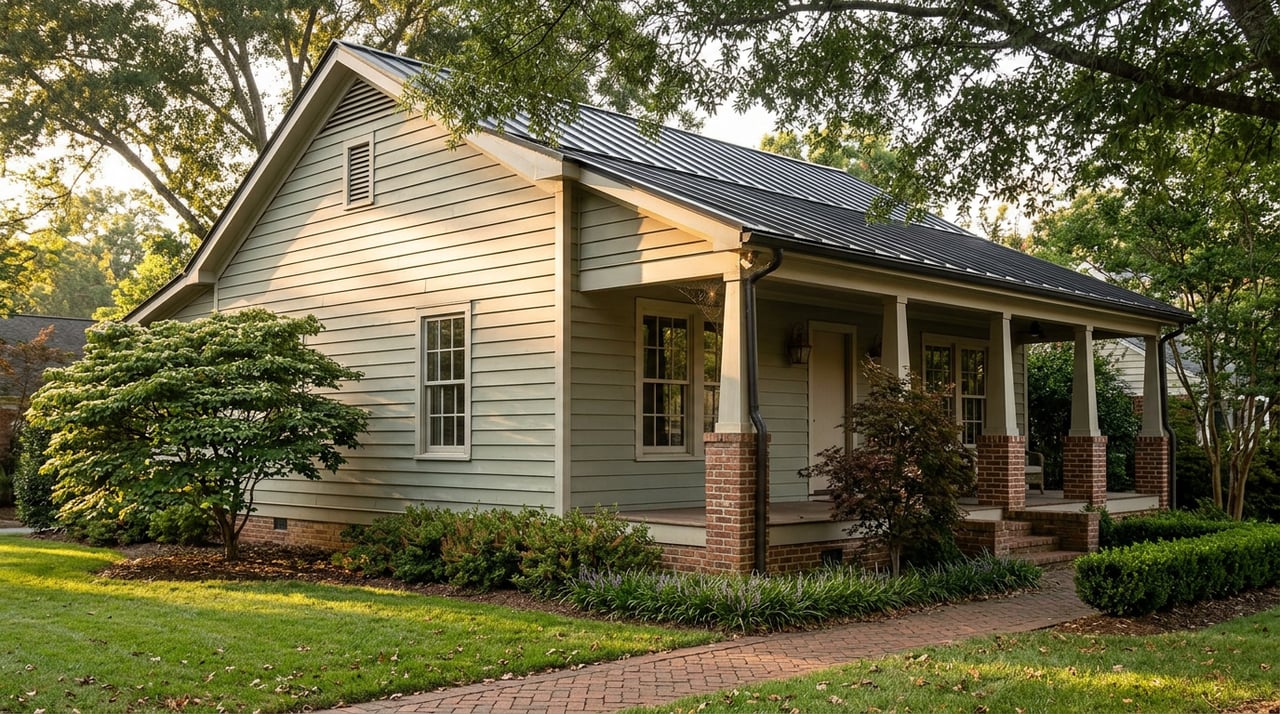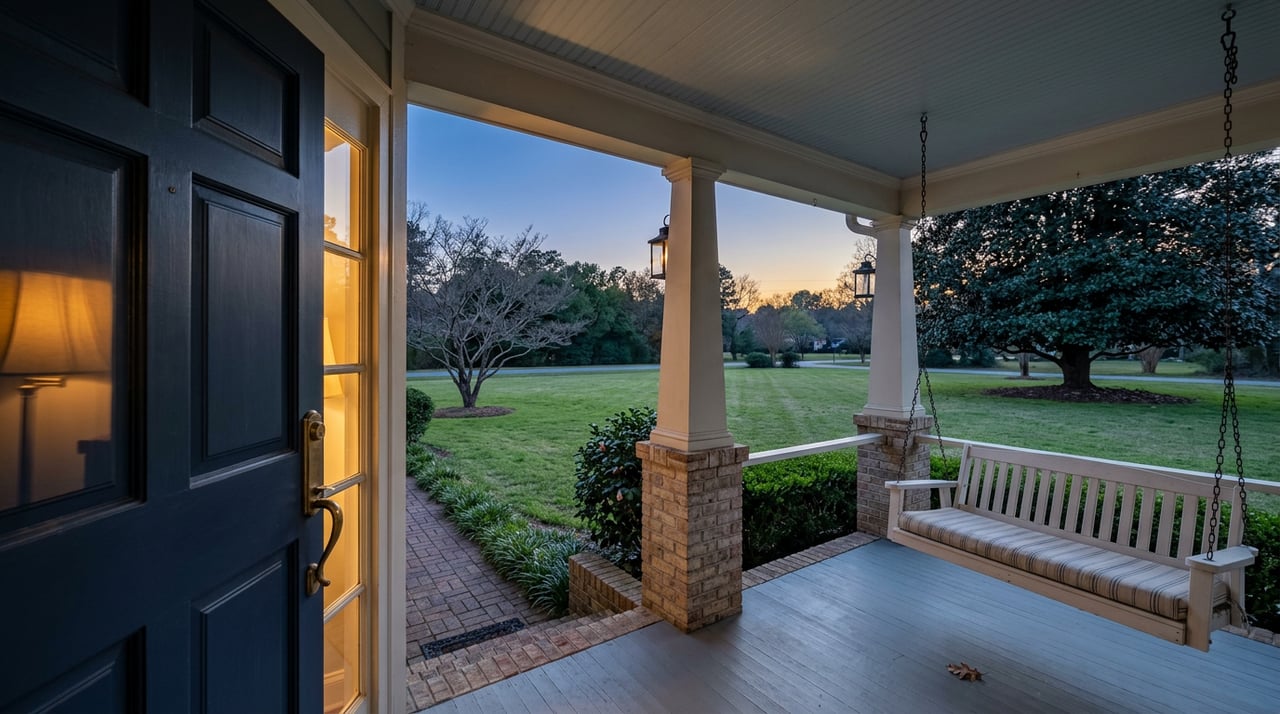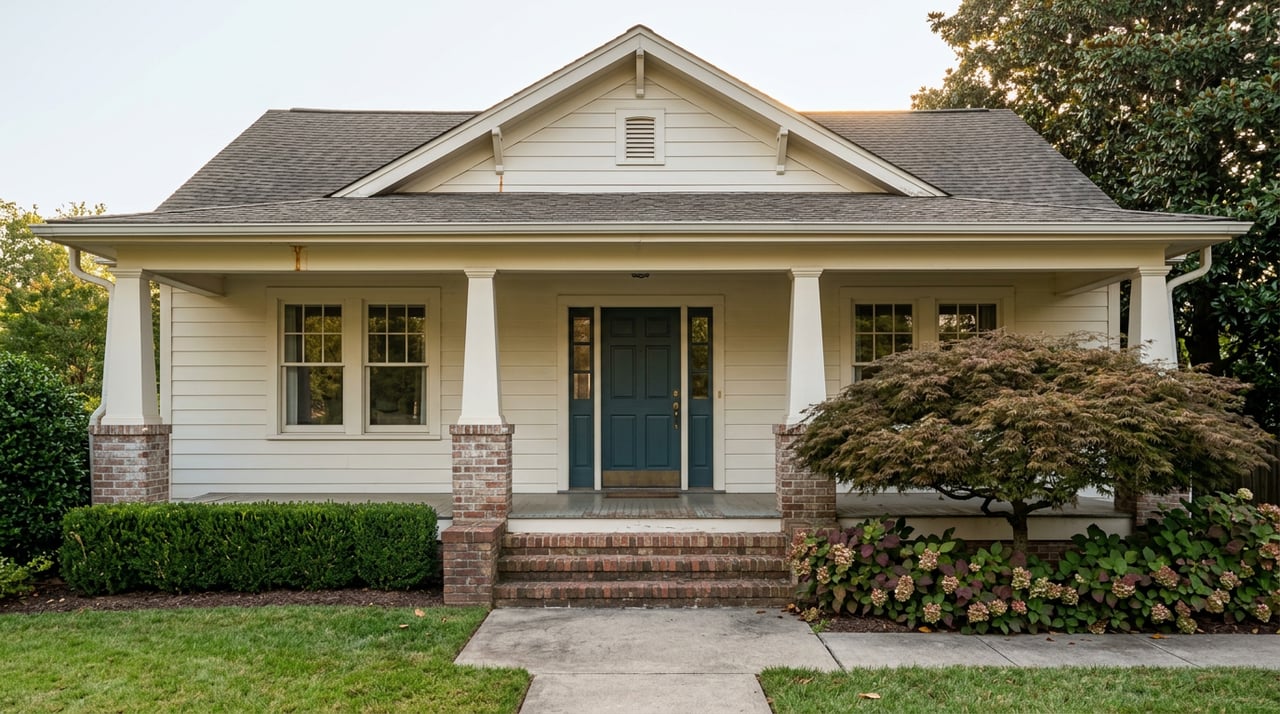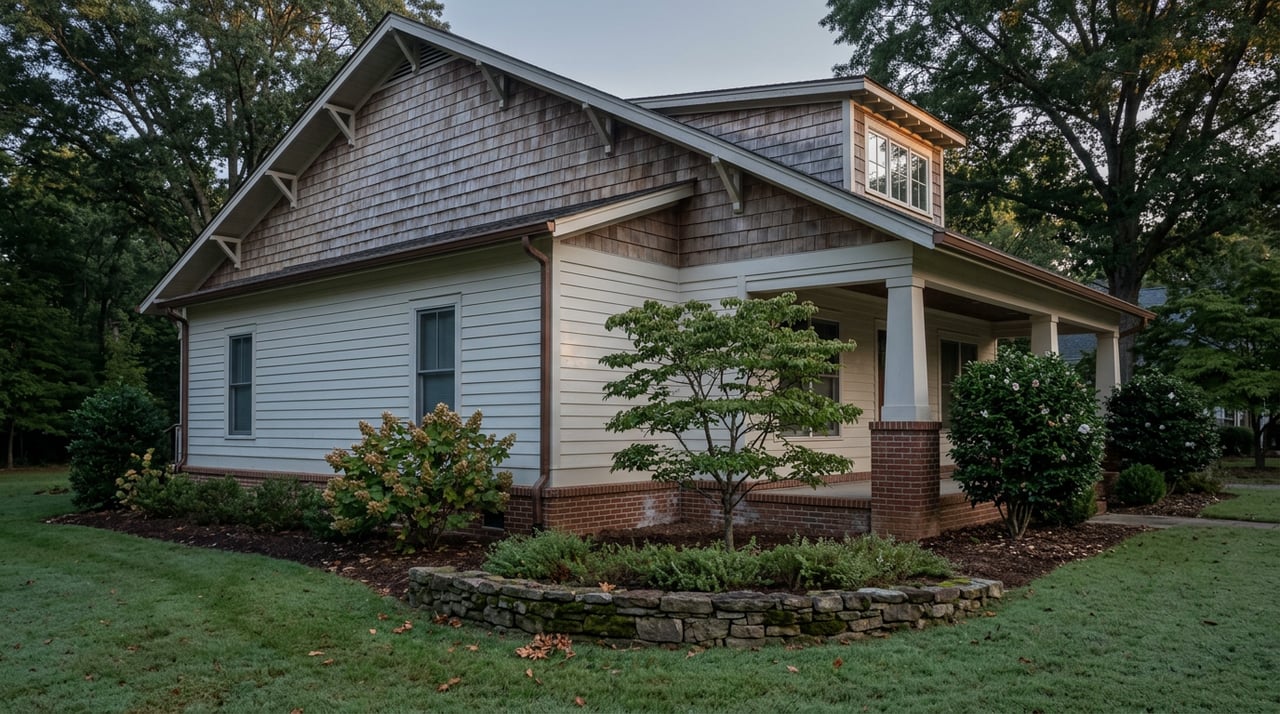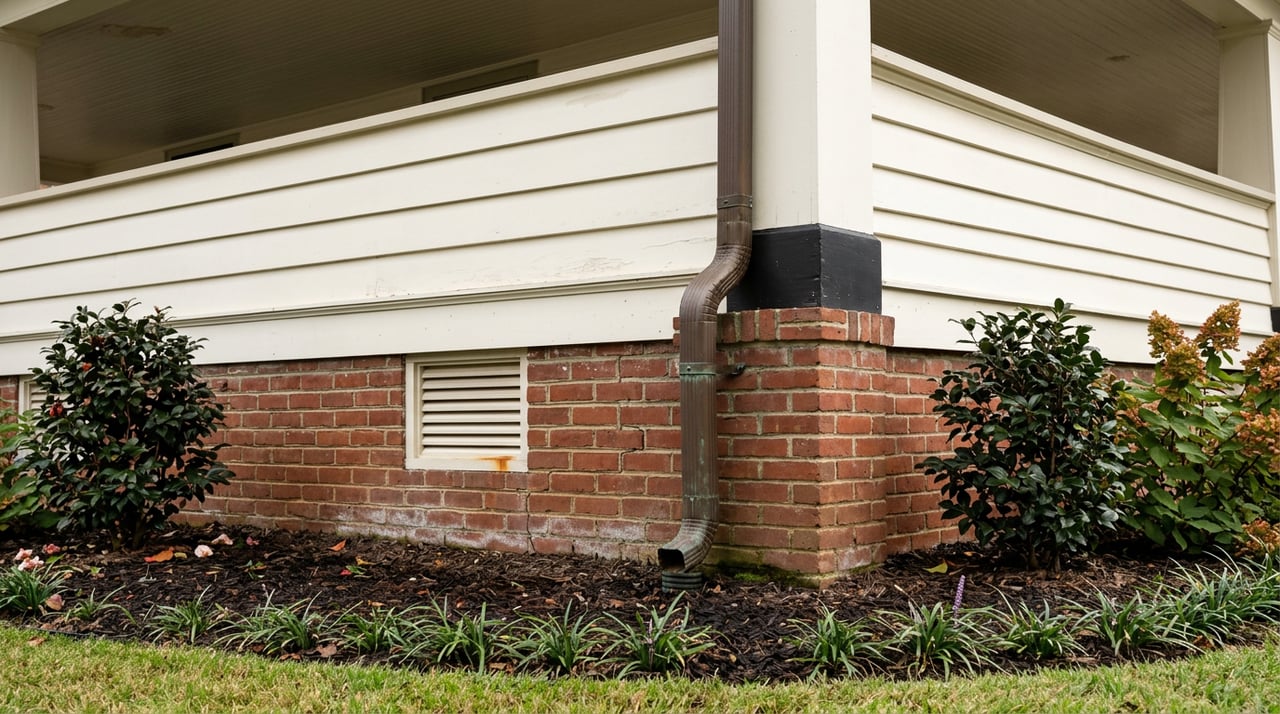
A buyer walks a 1930s bungalow on one of Alta Vista's tree-lined streets. Heart pine floors, original glass doorknobs, a sleeping porch nobody uses anymore but everyone loves showing off. The offer goes in that week. Ten days later, the inspection report lands, and the buyer calls their agent in a small panic: knob-and-tube wiring in the attic, galvanized pipe under the kitchen, a panel brand the inspector circled twice.
Here's what almost never gets said out loud in that moment: the report the buyer is reading was, in a sense, already written before the inspector ever climbed into the crawlspace. Homes built in Overbrook, Alta Vista, North Main, and along the Augusta Road corridor between roughly 1900 and 1950 fail in a short, repeatable list of ways. The mechanical bones age out on a predictable schedule, and everyone who works in this market year after year already knows the script. That's not a reason to be less careful. It's the reason to be more precise about what each finding is actually worth at the closing table, instead of treating the whole report as a referendum on whether to buy the house at all.
Why buyers keep paying up for houses with known problems
The premium for Greenville's historic in-town stock is real and it isn't shrinking. Redfin's vintage-home data for Greenville as of early August 2026 put the median listing price for the city's older housing stock at $480,000, well above the roughly $390,000 median for Greenville overall that same month, according to Movoto's August snapshot. Zoom into specific historic pockets and the gap widens further. Market figures for the three months ending in June 2026 showed Augusta Road and North Main carrying nearly identical medians, close to $915,000 to $917,000, even though the two got there from opposite directions: Augusta Road's median fell about 20 percent year over year while its sales volume jumped over 40 percent, and North Main's median rose over 10 percent alongside a 27 percent jump in price per square foot.
None of that is charm pricing itself out of a market that knows better. It's buyers pricing in both the house and the neighborhood around it. Overbrook has been named by Forbes as a neighborhood to watch, and the walk from most of its bungalows now passes Fork & Plough, Clare's Creamery, Harry's Hoagie Shoppe, Scout's Doughnuts, Boheme Salon, and Clayton's Deli, a retail strip that grew up around the neighborhood over the past several years rather than being built into it from day one. One longtime resident told the Post and Courier that in Alta Vista, "it's the type of place where neighbors smile and wave when you walk down the street." That kind of texture doesn't show up on an inspection report, and it's a meaningful part of why buyers keep signing contracts on houses they know need work.
The five findings that show up almost every time
The specific list is short enough to memorize before you ever schedule an inspection. Local trades who work this market constantly flag the same handful of items in pre-1960s Greenville homes:
| Finding | Why it's almost guaranteed | What it typically costs to resolve |
|---|---|---|
| Federal Pacific or Zinsco electrical panel | Common through the 1980s; several insurers now decline to cover homes that still have one | Varies by insurer and lender requirement, but often forces a panel swap before closing or before a policy renews |
| Galvanized steel or polybutylene supply lines | Standard plumbing material until the 1990s; galvanized corrodes from the inside out, polybutylene cracks with age | Whole-house repipe runs roughly $3,000 to $10,000 or more |
| Full historic plumbing overhaul (supply, drain, fixtures) | Bundles the above with aging cast-iron or clay drain lines that mature street trees are drawn to | $10,000 to $30,000 or more, depending on scope |
| Original or near-original water heater | Standard tank units last 10 to 15 years, and a lot of in-town stock still has its original unit | $800 to $2,500 |
| Full-home structural and systems renovation | The aspirational end, not the inspection end: total transformations in Alta Vista, North Main, Augusta Road, and Travelers Rest | Can exceed $1 million for a complete rebuild-in-place |
That last row matters as much as the first four. There's a wide gap between what an inspection actually requires you to fix and what a full historic-to-showcase renovation costs. Buyers sometimes conflate the two, panicking over a $3,000 repipe as if it were a $1 million gut job. It isn't. Knowing which category a given finding falls into is most of the battle.
Turning the report into a negotiating document
Once a buyer knows the list in advance, the report stops being a surprise and starts being a tool. Every finding on it resolves into one of three paths, and the right path depends on what the item actually is and what it actually costs.
A finding with a known, bounded cost, like a water heater at the end of its life or a section of galvanized pipe, is a straightforward ask for either a repair before closing or a price credit at closing equal to a reasonable estimate. A finding that touches insurability, like a Federal Pacific panel, is a different conversation entirely, because the leverage isn't just repair cost, it's whether the buyer's insurer will even write a policy on the house as it sits. That conversation should happen with a lender and an insurance agent before the due diligence period closes, not after. And a finding that's genuinely open-ended, like cast-iron drain lines that haven't been camera-scoped, is worth a professional scope before anyone commits to a number, because the answer could be a simple root cutting or a full line replacement, and those are not close in cost.
What buyers should avoid is the instinct to walk from a contract over a finding that's actually well within the known, priced range for this housing stock. In a market where historic in-town inventory doesn't sit long, that instinct can cost more than the repair itself.
The thin-inventory side of the equation
This is the part that catches first-time historic-home buyers off guard. Sellers in these neighborhoods often aren't negotiating from weakness, even when the inspection turns up several items at once. Homes in Greenville's vintage segment overall spent a median of 85 days on market as of early August 2026, according to Redfin's citywide figures, but that number moves a great deal by neighborhood and price point, and the highest-demand pockets move faster than the average suggests. A buyer who treats a predictable, well-known finding as grounds to terminate may simply lose the house to the next offer, while a buyer who understands the finding's true cost and negotiates a specific, bounded credit tends to keep the deal together and walk away with money at closing that actually covers the fix.
The practical move is to get ahead of it. Before writing an offer on anything built before 1960 in these neighborhoods, ask your agent what the inspection is likely to find, not just what the listing says. A pre-offer conversation about panel type, pipe material, and known drainage issues turns the eventual report into confirmation rather than crisis.
A few questions worth settling early
Will my insurer even cover a house with a Federal Pacific panel? Not always. Several carriers decline to write coverage on homes with these panels because of their documented fire risk, so this is worth confirming with your insurance agent during due diligence, not after closing.
Is a full repipe always required for an older Greenville home? No. Plenty of historic homes have already been partially or fully updated by a previous owner. The inspection and a plumber's follow-up scope will tell you whether you're looking at a full $10,000 to $30,000 overhaul or a smaller, targeted fix.
Does a big inspection list mean I overpaid? Not by itself. A predictable list of findings in a pre-1960s home is normal, and the market already reflects that in how these houses are priced relative to newer stock. What matters is whether the price and any negotiated credit account for the specific items found, not whether the list exists at all.
If you're weighing an offer on a bungalow in Overbrook, Alta Vista, North Main, or along the Augusta Road corridor and want to know what a specific inspection finding is actually worth before you decide how to respond, Atherley & Pearson Real Estate can walk the numbers with you against real comparable sales in that neighborhood. Contact us before your due diligence period runs out.